Richard Tarnas
Stanislav Grof, MD, PhD
Open to the wisdom of archetypal astrology to enrich your self-understanding and gain insight into the larger forces at play in your own life and on the world stage.
Identify optimal times for journeying into your depths, discover radical new interpretations of reality, and strengthen your sense of belonging in a loving, ensouled universe.
What was the one method that legendary psychoanalyst Carl Jung used with all of his patients? The one method that consistently provided a high level of precision for understanding the archetypal dynamics of a given individual’s experience?
Astrology.
Surprised? You may be more surprised to find out that archetypal astrology not only offers a unique and precise way to explore the depths of your psyche to liberate you from limited ideas of who you truly are...
... it also pierces the veil of mystery and reveals the universe as interconnected, meaningful, and intelligent, as opposed to the cold, soulless void that much of science regards as the ultimate truth.
As you see how astrology can predict the larger archetypal forces that are active in your life and in the world at any given time, you can use it both as a valuable map for navigating your inner world and for understanding the collective currents of our time.
In the process, you’ll discover that when you’re aware of the archetypal forces expressing themselves through you, you’re able to deepen and accelerate your growth and transformation.
And that is the whole rationale for depth psychology, from Freud and Jung onward — to become conscious of the unconscious, to release yourself from the bondage of blind action, to explore and experience the hidden forces in your psyche.
Think of archetypal astrology as a Rosetta Stone of the human psyche that opens up new interpretations of reality and connects the dots between planetary patterns in our solar system and archetypal patterns in your human experience.
When you bring astrology and depth psychology together, a new world of possibility opens.
The Power of Archetypal Astrology and Depth Psychology Together
When you embark on The Psyche & Cosmos Advanced Program from teachers Stan Grof and Rick Tarnas for, you’ll have a unique opportunity to explore the engagement between two great wisdom systems: archetypal astrology and depth psychology.
You’ll discover how archetypal astrology is founded on the principle that planets have a fundamental, synchronistic influence on human existence.
Each planet corresponds to an archetypal dimension of consciousness — a deep pattern that "tilts" reality in a particular direction. And that in turn gives you a whole new lens on the depth dimensions of the psyche.
For instance, Saturn governs structure and connotes responsibility but also a form of constriction. Mars correlates with the movement of masculine energy and the impulse toward forceful activity, aggression, and war.
In his research, Rick tracked patterns of upheaval that corresponded without fail to the movement of Uranus, which governs breakthroughs and periods of rapid change. And the last time we experienced the Pluto Transit that started in 2007 and ended in 2020 was from 1960 to 1972, also a time of radical change, destructive energies, and abuse of political power.
On a collective basis, archetypal astrology reveals why certain periods are marked by crisis and others by great breakthroughs — and how the times we live in correlate with specific individual psychological qualities in a person’s natal chart.
It’s been said that psychology textbooks of the future will look back on modern psychologists working without the aid of astrology as being like medieval astronomers working without the aid of the telescope.
Ultimately, when you realize that archetypal astrology is the bridge that connects your individual psyche to the cosmos...
... you begin to see your experiences unfolding in the larger context of an "ensouled universe" — a depth of intelligent, sacred presence that permeates all that is — empowering you to meet the challenges in your life consciously and confidently.
You’ll also gain new insight into the primacy of your birth experiences in setting down a template for your life, as well as a portal into other dimensions of psychology.
Two Brilliant Pioneers to Guide You
It was three decades ago that Stan Grof, the eminent founder of transpersonal psychology, and Rick Tarnas, a Harvard-trained philosopher, together discovered the hidden power of archetypal astrology and began a valuable dialogue informed by the insights of depth psychology.
Although both were initially skeptical, the evidence of archetypal astrology’s role in understanding the depths of one’s personal psyche and the collective psyche became so convincing that, despite professional risks and intellectual ridicule, these two pioneers simply had to share the truth of their journey.
The Psyche and Cosmos Advanced Program is the first time these two towering figures are distilling their mind-expanding explorations into a more intensive online program that can help you expand both your understanding of yourself and the nature of the cosmos.
You’ll have the chance to explore some of the most fascinating, paradigm-shifting understandings you’ve ever heard of, from advanced mystical states to spiritual emergencies to interpretation of transits (which occur when one celestial body “moves” into relationship with another celestial body)...
... to the layers of what Stan calls COEX systems, which connect to the many layers (personal, perinatal, and transpersonal) that connect to deep-seated patterns in our psyche.
If you’re on a path of intensive self-exploration, their insights can help you gain a deeper understanding of your potential and a more profound vision for your life.
If you work with clients, their framework can help you understand the larger forces at work in each individual and provide meaningful insights that can advance their growth.
Stan has often been compared to a modern-day Freud, and his legacy and impact on psychology will only grow. This is a fantastic opportunity to learn from one of the great intellects of our time — and in his favorite context of teaching with his longtime collaborator Rick Tarnas.
Understanding Fate vs. Free Will
Consulting your birth chart is akin to finding out which way the wind will be blowing on a particular day before you go out sailing. It’s valuable information, but how your astrological predispositions and potentialities play out depends on how much consciousness, intelligence, courage, and compassion you bring to each moment.
While each of us is born as an individual expression of the archetypal energies that are saturating the collective currents, it’s ultimately the exercise of your free will that determines how each day — and your life — unfolds.
As Rick and Stan illuminate in the program, you can express archetypal energies in a range of ways, from the most life-enhancing to the most destructive. It is how you choose to think and act that will determine how they are brought forth and expressed.
So, no, we are not the helpless subject of an unknowable force beyond our control. While each individual’s potential destiny may be written in the stars, astrology is by no means deterministic. Understanding the energies operating inside you can help you manifest them in the most constructive and life-supporting ways possible.
Astrology is archetypally predictive, not concretely predictive. We can determine the “experiential flavor” of a given planetary energy but can never know exactly how the Universal Mind will ultimately be expressed through human free will.
To the exact extent that you are conscious of the archetypes and their potential influence, you can respond with greater autonomy and self-awareness.
Astrology’s great merit, which Stan and Rick's course will help you discover, is that it seems to reveal very precisely which archetypes are especially important for each person, how they interact with each other, and when and how they are most likely to be expressed in the course of each life.

During this experiential course, you’ll:
- Deepen your understanding of your own nature and the nature of the cosmos
- Be better able to navigate through times of great personal challenges such as spiritual emergencies and “dark nights of the soul”
- Understand how to tap into hidden resources within your own psyche
- Gain a deeper understanding of your potential and your purpose
- Emerge with a more profound vision for your life
- Understand the larger cycles and patterns of your life
- Shift your perception of the universe from random and capricious to intelligent and orderly
- Know how to identify the most auspicious times to make key decisions
- Gain a unique and precise tool for exploring the depths of your psyche
- Find out how archetypal astrology can provide insight into episodes of spiritual emergency and transformation
- Free yourself from the limited view of who you are and what you’re capable of
- Examine the correlations of historical events and cultural epochs with planetary cycles
- Explore archetypes and the three forms in which they can manifest: mythic, cosmological, and psychological
- Gain a hands-on understanding of how to do your own transit calculations
- Be able to perceive deep meaning in what seems to be chaotic and dysfunctional social and political environments
- Examine how destructive forms of human aggression can be reduced and transformed
- Appreciate why astrology is an invaluable tool to support your deepest explorations with non-ordinary states of consciousness
What You’ll Discover in These 18 Modules
In this 18-module transformational journey, Stan and Rick guide you to successfully experience a deepening of beauty, meaning, and purpose in your life through tapping into the wisdom of archetypal astrology.
The Beauty of On-Demand
This course features step-by-step teachings and experiential practices from Stan and Rick. Each session builds harmoniously upon the previous ones, so you’ll develop a complete holistic understanding of the practices, tools, and principles you’ll need to turn this knowledge into real transformation. Your purchase includes 24/7 ongoing access to your course content, allowing you time to review the materials at your own pace and integration.
Please Note: If you have not experienced Stan and Rick’s archetypal astrology teachings before, you’re welcome to take this next-level training but we ask you to complete the foundational 8-module Psyche & Cosmos program on your own as a prerequisite. It will be included in your registration and can be completed before or in tandem with this advanced intensive.

Module 1 Practical Strategies for Self-exploration & Healing

In this opening module, you'll be introduced to the larger terrain covered in this advanced course, and then move directly into a detailed summary of basic strategies for self-exploration in holotropic therapy, psychedelic therapy, and similar modes of transformation. Of particular importance will be the role of the inner healer that emerges in such work, and the use of archetypal astrology for the timing and understanding of experiential sessions. This module summarizes basic principles and practical guidelines for undergoing such journeys of transformation, as well as the consistent correlations observed between specific astrological factors and different experiential outcomes.
In this module, you’ll:
- Gain an understanding of the new paradigm of healing and therapy that has emerged from psychedelic and holotropic research, and the new approach to effective healing mechanisms and processes
- Examine the best transits for supporting transformation and healing with respect to the timing of experiential sessions and psychedelic therapy, and the transits to be cautious with in certain circumstances
- Expand your perspective on the different ways that personal transformation can unfold, with specific, practical tips on how to pursue self-exploration in a skillful way that supports positive outcomes
- Understand how knowing your transits and natal chart can contribute to your healing journey
Module 2 Spiritual Emergence & Emergencies

Research of non-ordinary states of consciousness has shown the need to vastly expand and deepen the model of the human psyche used by mainstream psychiatry by adding the perinatal and transpersonal domains. Doing so will help professionals recognize that a large group of spontaneous episodes of these states, which are currently seen as manifestations of serious mental diseases, are actually crises of spiritual opening. Correctly understood and properly supported, such episodes have a great therapeutic, transformative, and evolutionary potential, leading Stan and Christina Grof to coin the term “spiritual emergencies.”
In turn, archetypal astrology turned out to be an invaluable tool that can help us to understand both the timing and the archetypal content of these episodes. The combination of the newly expanded psychology with archetypal astrology will be illustrated by the case of Karen, a 28-year-old woman who experienced a powerful 3-week spiritual emergency and transformation.
In this module, you’ll:
- Find out about an important group of spontaneous episodes of non-ordinary states of consciousness currently diagnosed and treated as psychoses that are actually radical attempts by the psyche to heal itself
- Discover how to tap the healing, transformative, and evolutionary potential of such states
- Gain an understanding of the specific ways in which archetypal astrology can provide crucial insight into the understanding of episodes of spiritual emergency and transformation
Module 3 Q+A Session 1 (Pre-Recorded)
This module was devoted to responding to participants’ questions, concerning the content of the two preceding modules.
Module 4 Understanding the Arts
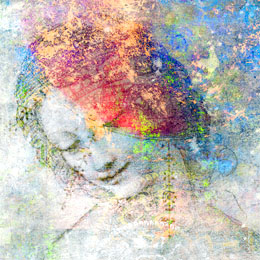
Sigmund Freud’s pioneering efforts were initially focused on finding the causes of psychoneuroses and the most effective approaches to treating them. As he continued his exploration of the unconscious using the open-ended method of free association, his interests significantly broadened and he explored how the psychoanalytic method can illuminate cultural and sociopolitical issues, wars and revolutions, religion, and art.
This module briefly reviews the efforts of Freud and some of his followers to understand works of art, as exemplified in his own analysis of Leonardo da Vinci, Dostoevsky, Goethe, and Shakespeare, in Maria Bonaparte’s study of Edgar Allan Poe, and the contributions of Otto Rank and C. G. Jung.
Whereas the Freudian analyses were largely unsuccessful as long as they were limited to postnatal biography, a more encompassing model of the psyche that includes the perinatal and transpersonal domains has opened the way to a much deeper, less reductionist understanding of art. In turn, archetypal astrological analysis opens up a new source of insight into works of art and into the life and work of major artists, providing extraordinarily precise indications of the specific archetypal qualities and the timing of their creative expression.
For this module, please watch the film Groundhog Day, which is used as an example of the kinds of insights afforded by this expanded understanding of the psyche.
In this module, you’ll:
- Explore the pioneering efforts of Freud and his followers to apply the insights from their clinical work to the understanding of the arts
- Discover how this understanding of art deepens when we use a more comprehensive model of the human psyche that includes the perinatal and transpersonal domains
- Explore how combining this approach with insights provided from archetypal astrology opens up a further dimension of understanding and appreciation of works of art
- Analyze the powerful spiritual and psychological transformation depicted in the film Groundhog Day
Module 5 Understanding of History

The analysis of history, its patterns, and its driving forces has long compelled the attention of scholars and thoughtful citizens. What can explain the sudden eruption of mass revolutionary impulses, violence, and totalitarianism, or, on the other hand, periods of widespread spiritual awakening and cultural creativity — sometimes synchronistically happening in multiple societies around the world?
Consciousness research based on work with holotropic states has provided a new dimension of understanding in the analysis of history. Violence and greed have been among the most powerful and dangerous forces driving human history, yet neither biological nor mainstream psychological theories have been able to explain what Erich Fromm called “malignant aggression” — the disposition of the human species to forms of violence that far exceed in nature and scope what is found in the rest of the animal kingdom. Holotropic states point to deeper sources of this aggression on the perinatal level (trauma of biological birth) and in the archetypal forces of the collective unconscious.
This module looks at the evidence from clinical work and from Lloyd deMause’s psychohistorical studies, using comparison of posters, caricatures, and demagogic propaganda from the time of wars and revolutions with paintings and drawings from sessions in which people are reliving their birth. These insights will be deepened by introducing the astonishing correlations between historical events and planetary cycles as set out in Richard Tarnas’ book, Cosmos and Psyche, and the role of archetypal forces in shaping human perception and behavior on the collective level.
In this module, you’ll:
- Examine the field of psychohistory and how its findings concerning sociopolitical events are corroborated by observations from clinical work with psychedelics
- Discover how destructive forms of human aggression can be reduced and transformed by responsible work using holotropic states of consciousness
- Explore the remarkable correlations of historical events and cultural epochs with planetary cycles, and how knowledge of these patterns can provide a crucial source of collective self-awareness in understanding the past and shaping the future
Module 6 Personal Transits
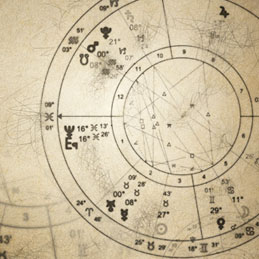
This module provides practical instruction on how to calculate and interpret your own personal transits. Be sure to have your birth chart and a blank sheet of paper to work with as you watch. This module explains the basics of transit analysis, so you can do it for yourself in the future — and begin to explore the extraordinary perspective afforded by knowing which archetypal energies are being activated at which time, much like a cosmic weather report.
You can also examine major past periods and events in your life by observing what the transits were at that time, and gain a new level of self-understanding in the unfolding drama of your life. You thereby begin to make what is unconscious conscious, becoming freer to participate intelligently in the unfolding of these forces and patterns.
If you do not already possess a copy of your birth chart, you can acquire one for free through the astro.com website by providing your birth date, time, and place. (If you are uncertain of the exact time and know only the day, put in noon for the time; if you have an approximate range of time when you were born, like the evening or the afternoon, put in the time that is closest to the middle of that time period, and make a note to yourself of the potential margin of error (e.g., 4:00pm, plus or minus two hours). This module address these specific situations.
In this module, you’ll:
- Gain a hands-on understanding of how to do your own transit calculations
- Gain access to new resources for understanding your transits and the unfolding archetypal dynamics of your life
- Discover how to assess the relative importance of various planetary transits, and learn practices that can foster greater self-awareness and skillful living through knowledge of your birth chart and transits
Module 7 The Synergy of Depth Psychology & Archetypal Astrology
Astrology and psychology are mutually illuminating, each discipline offering a tremendous enrichment of the other. While astrology can enhance psychology and therapy with important information about the specific archetypal complexes informing the individual’s particular psychology and the timing of their activation, psychology can in turn provide astrology with crucial conceptual tools such as the understanding of the unconscious or the nature of projection. Equally valuable is psychology’s capacity to aid the responsible practice of astrological counseling, in which the counselor needs to be aware of issues such as transference and counter-transference. This module discusses these and many other ways in which archetypal astrology and depth psychology can enhance and deepen each other.
In this module, you’ll:
- Discover how astrology can help psychology and psychotherapy by providing insight into the individual personality, and into the timing of archetypal activations at both the individual and collective level
- Examine how astrology can compensate modern psychology’s blindness to timing and unfolding cycles in life
- Understand how depth psychology can help resolve many problems with how conventional astrology is typically practiced today
- Explore the ways in which consciousness research with holotropic states offers surprising support for many of the basic principles underlying astrology and an ensouled world view
Module 8 Q+A Session 2 (Pre-Recorded)

This module was devoted to responding to participants’ questions, concerning the content of the four preceding modules.
Module 9 Archetypes, Mythic Imagination & Modern Society
According to the understanding that has emerged from Jungian psychology, consciousness research, and scholarly mythological research, archetypes are timeless primordial cosmic principles underlying, informing, and forming the fabric of the material world. This module explores the importance of archetypes in a variety of fields.
In psychiatry, psychology, and psychotherapy, adding the archetypal domain to the cartography of the psyche provides a deeper understanding of emotional disorders and opens new perspectives for therapy. As Philipp Frank has shown in his book Philosophy of Science, the source of the basic axiom of a scientific theory or the source of a scientific discovery is often an archetypal motif. Archetypal analysis is similarly valuable for understanding political movements and cultural developments.
In this module, you’ll:
- Examine archetypes and the three forms in which they can manifest: mythic, cosmological, and psychological
- Find out how Joseph Campbell’s influential work with mythology and archetypes proved helpful in understanding experiences undergone by patients in psychedelic and holotropic therapy
- Discover the important role that archetypes play in a variety of fields, from the understanding of emotional states to scientific theory and political analysis
Module 10 Synchronicity

A prominent scholar of religious studies recently said, “I don’t believe in anything any more, but I believe in synchronicity.” And Bob Dylan once sang, “The highway’s made for gamblers, better use your sense. Take what you have gathered from coincidence.”
C. G. Jung coined the term synchronicity as a name for coincidences in which two or more independent events having no apparent causal connection nevertheless form a meaningful pattern. On occasion, such patterning can strike one as so extraordinary that it is difficult to believe the coincidence has been produced by chance alone. The events give the distinct impression of having been precisely arranged, invisibly orchestrated.
In our postmodern age when all the old metanarratives are contested, awareness of synchronicities has become for many alert individuals a crucial source of spiritual orientation and nourishment. Yet synchronicities are both gifts and challenges. They can be felt as acts of grace or the subtle patternings of a cosmic artist, yet they can also suggest an elusive trickster who demands careful discernment both outer and inner.
There seem to be stages that individuals go through in their deepening recognition of the synchronistic dimension of life. Synchronicities can compensate for the one-sidedness of egoic consciousness, and move the individual psyche toward wholeness. They also have, like all things, a shadow side. Most profoundly, they can give us intimations of the numinous. Their occurrence can have a healing effect psychologically, as well as a paradigm-shifting power intellectually. And in the case of astrological correlations, they can provide a cosmic context and foundation for understanding the nature of the universe we live in and the place of human beings within it.
In this module, you’ll:
- Investigate the concept and phenomenon of synchronicity, from Jung’s original formulation to more recent understandings
- Examine the significance of synchronicity in our own lives and psychological journeys, including both the shadow aspects of synchronicity and its spiritually transformative potential
- Explore the philosophical implications of synchronicity and how these in turn affect our understanding of psychology and psychotherapy
- Discover the special relevance of synchronicity to how we understand astrology, and in turn, what astrological correlations signify for our understanding of synchronicity
- Explore how synchronicity serves as an entryway to understanding cosmological issues
Module 11 Schools of Depth Psychology & Their Founders
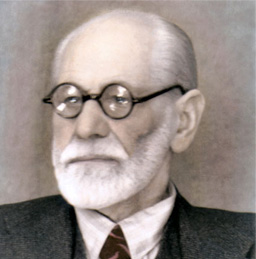
At the turn of the twentieth century in Vienna, Sigmund Freud made revolutionary discoveries concerning the human psyche and single-handedly laid the foundations of a new discipline — depth psychology. He surrounded himself with a group of brilliant followers, some of whom departed from his original ideas and seriously challenged some basic assumptions of his teachings. A few of these — Otto Rank, Alfred Adler, C. G. Jung, Melanie Klein, Wilhelm Reich, and others — created their own schools.
Today’s field of depth psychology contains a perplexing plethora of schools that seriously differ on fundamental issues — what are the most important motivating forces of the psyche, why do symptoms appear and what do they mean, and what techniques should be used when working with clients.
An approach combining research of holotropic states of consciousness with archetypal astrology provides unexpected insights into this situation. This module discusses how the evidence from psychedelic therapy and holotropic states shines a new light on the basic principles underlying each of the various schools, affirming some and recontextualizing others within a larger frame of reference.
This module also discusses how the general design of these schools, their focus on a certain level of the unconscious, and sometimes specific details of their theories closely reflect the planetary aspects in their founders’ astrological charts as well as transits they had at the time they formulated their theories.
This module also covers how the widespread occurrence of specific psychiatric symptoms and syndromes reflects the collective transits of the era, as well as the personal transits of the patients, which shines a light on the reason the Diagnostic and Statistical Manual of Mental Disorders (DSM) keeps having to be radically revised.
In this module, you’ll:
- Delve into the history of depth psychology and the many schools of psychotherapy it’s spawned, each of which offers different opinions concerning the human psyche in health and disease
- Discover how the combination of holotropic research and archetypal astrology helps clarify these differences within a larger, coherent framework
- Examine what the evidence of psychedelic therapy and holotropic research suggests about which fundamental tenets of the different schools are supported empirically, and which need to be revised, offering greater clarity in approaching the deep mystery of the human psyche
- Explore the striking insights opened up by archetypal astrological analysis of the different pioneer psychologists’ birth charts and transits, reflecting the specific breakthroughs, emphases, and biases that each founder’s psychology embodied
- Appreciate that the psyche is a deep mystery, indeterminate and fluid, and one that can never be captured by any one theory
- Explore how our theories about the psyche reflect evolving cultural and archetypal factors that shape our vision and affect the kinds of symptoms and conditions that emerge in a given era
Module 12 Case Histories With Psychedelic & Holotropic Experiences
One of the best ways to begin to integrate the power of transpersonal psychology and archetypal astrology for understanding the depths of human experience is to examine case histories in which dramatic non-ordinary states of consciousness and psychological conditions are described and then analyzed with the aid of these perspectives.
This module sets forth several cases that represent different categories of holotropic states — an unexpectedly intense turn of events while using a psychedelic substance in an ancient Mexican religious site; a psychiatric patient with a particularly traumatic biography who underwent LSD therapy; a participant in a holotropic breathwork seminar who had an extremely dramatic and healing breathwork experience involving past lives.
In each case, this module shows how applying a transpersonal model of the psyche combined with archetypal astrological analysis provides uniquely clarifying insights.
In this module, you’ll:
- Deepen your grasp of how extreme mental conditions and transformational experiences involving non-ordinary states of consciousness can be illuminated by transpersonal psychology and archetypal astrology
- Explore the expanded paradigm of reality and of the human psyche suggested by consciousness research with holotropic states
- Strengthen your familiarity with the method of archetypal astrological analysis of natal charts and transits to use it in your own life and self-understanding
Module 13 Q+A Session 3 (Pre-Recorded)

This module was devoted to responding to participants’ questions, concerning the content of the four preceding modules.
Module 14 Practical Advantages of the Emerging Synthesis

Compared with the conventional psychiatric response to mental suffering and symptoms, the emerging approach suggested by transpersonal psychology and archetypal astrology offers a number of specific advantages. Instead of an attempt to suppress the symptoms with medication that’s tied to a fixed psychiatric diagnosis, the emerging approach provides a new level of understanding which gives insight into deeper meanings and larger processes that the symptoms or the crisis are pointing to. This approach also encourages a proactive stance, trusting the inner healing intelligence of the psyche. It grounds the condition in a larger cosmic context, and gives clues to its timing and duration.
In this module, you’ll:
- Receive a deeper understanding of the specific advantages of employing a transpersonal-perinatal and archetypal astrological perspective in dealing with psychological symptoms and conditions
- Discover how forms of mental suffering that can seem meaningless and random may reflect deeper meanings and purposes that are unfolding in a larger process
- Examine how the emerging synthesis provides a paradigm of understanding that offers greater hope to the sufferer, specific strategies for transformation, and a more spiritually adequate framework of meaning for human life
Module 15 Ethical & Philosophical Challenges of Astrological Prediction, Counseling, and Research
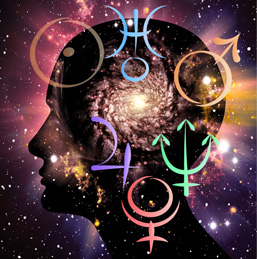
Archetypal astrology involves the possibility of prediction, but as a method it is archetypally predictive rather than concretely predictive. This important distinction reflects the fundamental “multivalence” of the archetypal principles associated with the planetary movements. For example, Saturn can signify not just difficulty but also discipline; burdens but also foundations; gravity in the physical sense but also gravity in the moral sense. A Venus-Saturn alignment may coincide with loss of love but also enduring fidelity in love, or the love of an older person, or an aesthetic appreciation of classical forms of art.
This essential multiplicity of potential meanings relevant to any archetype requires of us both humility and caution as we pursue astrological understanding. Otherwise, there is a real danger of psychological wounding — to others and to ourselves. We must be mindful of tendencies to project our fears or our wishes into our assessments, and to overestimate our knowledge of all the relevant data. Some can try to use astrology to serve an impulse to control life rather than to participate in life. All these represent distortions of the true promise offered us by archetypal astrology.
In this module, you’ll:
- Examine several major pitfalls in the practice of astrology, whether in prediction, research, or counseling
- Explore how a deeper understanding of astrology can prevent its potentially destructive misuse
- Discover the practices that can prevent such distortions and misuse, so we can cultivate the most life-enhancing potentials offered by archetypal astrology
Module 16 Transpersonal & Astrological Dimensions in the Study of Mysticism and Higher Creativity

One of the most interesting and surprising findings in the early research of LSD was the discovery that this substance induced mystical experiences resembling those found in the great spiritual texts of the world. Walter Pahnke’s famous Good Friday Experiment at Harvard in 1962 demonstrated that these two categories of experiences were phenomenologically indistinguishable. This in turn started a heated discussion about such “instant” or “chemical mysticism” and the authenticity of these experiences. Subsequent research with LSD and other psychedelics provided fascinating insights concerning the ritual and spiritual history of humanity — shamanism, rites of passage, the great religions of the world and the mystical traditions — for which mainstream psychiatry has no plausible explanation.
This research also threw new light on “higher creativity” and “secret history of inspiration” described in Willis Harman’s book, Higher Creativity. Harman used these terms for instances of astonishing scientific insights and artistic inspiration that emerged in holotropic states of consciousness in the form of visions, dreams, and reveries.
In this module, you'll explore the role that transpersonal experiences of the founders played in the birth of great religions and in the lives of people who made major contributions to civilization. Using specific examples, this module also discusses the extraordinary planetary correlations involving such milestones in the history of religion, mysticism, and higher creativity.
In this module, you’ll:
- Examine psychedelic experiences that show deep resemblance to those described in sacred texts of various cultures
- Discover the important role that transpersonal experiences played in the birth of religions and as a source of inspiration of Promethean figures of human history — great scientists, inventors, artists, and spiritual leaders
- Find out how this remarkable domain of human experience can be illuminated by a combination of archetypal astrology and depth psychology that has integrated an expanded model of the psyche
- Examine how the natal charts of brilliant innovators, from Kepler to Copernicus to Tesla, heralded their paradigm-breaking creative breakthroughs
- Study what the charts of mystics like Ramana Maharshi or Van Gogh tell us
Module 17 Reflections on the State of the World and the Future of Psychotherapy

Our civilization, indeed the Earth community itself, seems to be facing a threshold of fundamental transformation that bears a striking resemblance to what takes place on the individual level in initiatory rites of passage, near-death experiences, spiritual crises, and critical stages of what Jung called the individuation process, and what Stan Grof has called the perinatal experience. Can we find a place of equilibrium, an eye in the storm, from which we can engage this time of intense polarization and radical change?
The evidence of consistent correlations between planetary alignments and world events, as seen through the lens of archetypal astrology, can provide us with some needed context for our wildly dramatic time. What is the planetary situation now, what are the historical precedents, and how might our contemporary culture be transformed by the recognition that an intimate bond exists between the deep psyche and the cosmos? And what would the future of psychotherapy look like if it incorporated an expanded transpersonal understanding of the psyche and the recognition that we live in an ensouled, intelligent cosmos? Both the new paradigm of depth psychology and the insights of archetypal astrology set forth in this telecourse can be extremely helpful as we engage the state of the world today and look toward the future.
In this module, you’ll:
- Examine the insights that consciousness research with psychedelic therapy and holotropic states bring to an understanding of the world’s current condition
- Discover what major planetary alignments are taking place now and in the immediate future, and how we can best work with the archetypal forces currently at play in the collective psyche
- Hear Stan and Rick’s considered reflections about the state of the world, humanity’s current challenges and possibilities, and the potential emergence of a new and richer worldview that recognizes spiritual dimensions in both the human psyche and the cosmos
- Examine the present state of the world from a big-picture perspective
- Take a look forward at national and global events through the prism of archetypal astrology
Module 18 Q+A Session 4 (Pre-Recorded)

This module was devoted to responding to participants’ questions, looking back at the entire course.

Stanislav Grof’s Introductory Course, Psyche & Cosmos
This intensive builds upon the core teachings from the 8-module program, Psyche & Cosmos. When you purchase the 18-module intensive, you gain access to that powerful resource as well! You can complete the core teachings at your leisure, but it’s best to begin before the new sessions start.
In this 8-part transformational intensive, Stan and Rick guide you through the fundamental skills and competencies you’ll need to successfully experience a deepening of the beauty, meaning and purpose in your life through tapping into the wisdom of archetypal astrology.
This course features step-by-step teachings and experiential practices from Stan and Rick. Each session builds harmoniously upon the previous ones, so you’ll develop a complete holistic understanding of the practices, tools, and principles you'll need to sustain your felt connection to life and your sense of belonging in a loving universe. Your purchase includes 24/7 ongoing access to your course content, allowing you time to review the materials at your own pace and integration.
- Module 1: Introduction & Course Overview
- Module 2: New Cartography of the Unconscious
- Module 3: Basic Perinatal Matrices & the Death-Rebirth Process
- Module 4: Archetypal Astrology & Cosmology
- Q&A (Pre-Recorded)
- Module 6: The Planetary Archetypes
- Module 7: Psychedelic Sessions & Archetypal Astrological Analysis
- Q&A (Pre-Recorded)
PLUS, you’ll get the Psyche & Cosmos Bonus Offering
- A Discussion With Albert Hofmann
- Cosmos & Psyche
- The Value of Non-Ordinary States of Consciousness for Individuals & Human Society
- The Use of Archetypal Astrology in Psychedelic Therapy & Holotropic Breathwork
The original price of Psyche & Cosmos on its own was $297, but it’s INCLUDED in your registration for the advanced course!
SPECIAL BONUS OFFER
In addition to Rick & Stanislav’s transformative 18-module course, you’ll receive this special bonus offering to complement the course and take your understanding and practice to an even deeper level.

Abundant Wisdom Q+A Collection
Video Teaching From Stan Grof
This collection of questions and answers covers a wide variety of inquiries including the healing benefits of transpersonal psychology, spiritual experiences in non-ordinary states of consciousness, and what possibilities lie ahead for the future of psychology. It’s a treasure trove of diverse topics that will inspire, delight, and inform your discovery of the course material. These questions and answers have been generated and compiled from participant interaction with Stan Grof through his courses at The Shift Network.

Compilation of Significant Papers
PDF From Stan Grof
We’ve hand-selected a few of our favorite papers from Stan Grof’s extensive collection, specifically for their contribution to deepening your experience of the course material.
In this bonus collection, you’ll receive:
- Spiritual Experiences in Holotropic States of Consciousness
- Roots of Human Violence — Psychospiritual Perspective on the Current Global Crisis
- Preface to Ervin Laszlo’s “What is Reality?: The New Map of Cosmos, Consciousness, & Existence”

The Neuroscience of Resilience & Wellbeing
Audio Interview With Linda Graham, MFT, Hosted by Lori Schwanbeck, MFT, CHT
Join psychotherapist and author of Bouncing Back, Linda Graham, as she defines resilience as the innate capacity to bounce back from any adversity. Linda offers discoveries in modern brain science and the behavioral sciences... and how they help integrate tools from relational psychology and mindfulness practice. She further explains how you can efficiently harness the neuroplasticity of your brain to rewire old patterns of coping, handle disappointments, difficulties — even disasters — and learn to thrive and flourish.
During this fascinating session, you'll discover:
- How practices of kindness, compassion, gratitude, awe, delight, joy, and love can shift the brain's functioning from contraction and reactivity to openness, receptivity, and resilience
- Tools to reduce the impact of stress, anxiety, shame, or depression... recovering a genuine core groundedness and equilibrium
- Key strategies for rewiring automatic responses to challenging situations in ways that are safe, efficient, and effective
Linda Graham, MFT, is an experienced psychotherapist in the San Francisco Bay Area and a teacher of Mindful Self-Compassion. She integrates modern neuroscience, mindfulness practices, and relational psychology in her international trainings. She is the author of Bouncing Back: Rewiring Your Brain for Maximum Resilience and Well-Being, winner of the 2013 Books for a Better Life award and the 2014 Better Books for a Better World award. She publishes a monthly e-newsletter and weekly resources for recovering resilience.

Cosmos & Psyche
Set of 2 Audio Dialogues With Rick Tarnas and Caroline Casey
This special bonus offering includes two interviews with Rick Tarnas from the archives of Caroline Casey’s The Visionary Activist Radio Show on the subject of his book, Cosmos and Psyche: Intimations of a New World View. The interviews aired on the eve of the publication of this seminal work, about which Mary Hynes of CBC Tapestry said, “This is the closest my head has been to exploding while reading a book.”
Caroline Casey is known for her unique art of astro* mythological* political* guiding* meta-storytelling — which is presented in myriad multimedia venues. For more than 22 years, she has been the weaver of context for The Visionary Activist Show (on KPFA and KPFK, Pacifica Network). Caroline is dedicated to astrology as one of the great meta-languages of antiquity, uniting everything of consequence: personal and collective change, ritual magic, and esoteric philosophy. She’s also a rousing and frequent keynote speaker at political, environmental, spiritual, psychological, and astrological conferences, as well as an emcee at global music and activism festivals — including emceeing the spoken-word stage at the Symbiosis Eclipse Festival in Oregon.
What People Are Saying About Richard Tarnas & Stanislav Grof, MD, PhD…
Author of The Hero with a Thousand Faces
Professor of philosophy and religious studies, Youngstown State University
Psychologist, spiritual teacher and author of the spiritual classic, Be Here Now
Author of The Worlds Religions and Beyond the Postmodern Mind
Author of Resurgence
Queensland, Australia
Here’s What You’ll Receive

Fourteen Pre-Recorded 90-Minute Modules
Experience a rare opportunity to learn from two pioneering teachers of archetypal astrology, Stan Grof and Rick Tarnas — from the comfort of your own home. Each session includes a streaming video and guides you to learn the specific skills and abilities to awaken your spiritual potential.

Four 90-minute recorded Q&A Sessions from Stan Grof and Rick Tarnas
In addition to the 14 pre-recorded teachings, you’ll also receive recordings of the four Q&A sessions from the original course, that include one or both faculty. These sessions were entirely devoted to responding to questions concerning the content of the preceding modules and will help deepen your understanding of the course material.

Eighteen PDF Transcripts of Sessions
In addition to the high-quality videos and MP3 audios, you’ll also receive session transcriptions. You can then review, print, and highlight the most important insights and practices you were given.

Exercises and Questions for Each Lesson
Between sessions, you’ll have the option of completing related exercises, practicing new tools, and answering questions to accelerate your learning and integrate each lesson.
Stanislav Grof’s Introductory Course, Psyche & Cosmos 8-Module Course and Bonuses is included!
When you sign up for this 18-module journey, you’ll get instant access to Rick & Stanislav’s first 8-module online course.
An Unprecedented Opportunity to Join the Online Course, The Psyche & Cosmos Advanced Program
We feel honored Stan Grof and Rick Tarnas have chosen to partner with The Shift Network to offer this exclusive online training. This is a rare opportunity to learn from two contemporary teachers whose powerful insights and pioneering work are helping us heal and awaken ourselves and our world.
If you’re serious about deepening your path of self-discovery, then you owe it to yourself, your loved ones and our world to take this one-of-a-kind training.
Your Satisfaction Is 100% Guaranteed!

If you don’t absolutely LOVE The Psyche & Cosmos Advanced Program — or don’t feel that it meets your needs — please submit your refund request form 14 days from your date of purchase and we’ll happily issue qualifying customers a refund.
More Praise for Richard Tarnas & Stanislav Grof, MD, PhD
Arcata, California
Norway
Pembroke Pines, Florida
Santiago, Chile
Minnesota
Vancouver, Canada
About Richard Tarnas
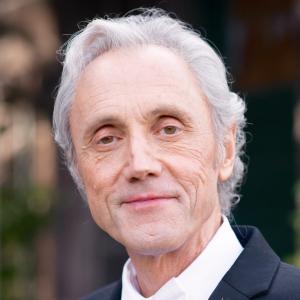
Richard Tarnas, PhD, is Professor Emeritus at the California Institute of Integral Studies, where he was the founding director of the Philosophy, Cosmology, and Consciousness department. For 30 years there, he taught courses in the history of ideas, depth psychology, archetypal cosmology, cultural history, philosophy of history, and the evolution of consciousness.
He also frequently lectured on archetypal studies and depth psychology at Pacifica Graduate Institute, and was formerly the director of programs and education at Esalen Institute.
He is the author of The Passion of the Western Mind, a narrative history of the Western worldview that is widely used in universities, and Cosmos and Psyche, which received the Book of the Year Prize from the Scientific and Medical Network.
He is the co-editor of Psyche Unbound: Essays in Honor of Stanislav Grof, with contributions by Joseph Campbell, Huston Smith, and others. He is a past president of the International Transpersonal Association and has served on the Board of Governors for the C. G. Jung Institute of San Francisco.
About Stanislav Grof, MD, PhD

Stanislav Grof, MD, PhD, is a psychiatrist with more than 60 years of experience in research of holotropic states of consciousness — a large and important subgroup of non-ordinary states that have healing, transformative, heuristic, and evolutionary potential.
He has been Principal Investigator in a psychedelic research program at the Psychiatric Research Institute in Prague, Czechoslovakia, Chief of Psychiatric Research at the Maryland Psychiatric Research Center, Assistant Professor of Psychiatry at the Johns Hopkins University in Baltimore, Maryland, and Scholar-in-Residence at the Esalen Institute in Big Sur, California.
As a Professor of Psychology at the California Institute of Integral Studies (CIIS) in San Francisco, he conducted professional training programs in holotropic breathwork and transpersonal psychology, and gave lectures and seminars worldwide.
Stan is one of the founders and chief theoreticians of transpersonal psychology and the founding president of the International Transpersonal Association (ITA). In 2007, he was granted the prestigious VIZE 97 Prize from the Václav and Dagmar Havel Foundation in Prague, and in 2010 he received the Thomas R. Verny Award from the Association for Prenatal & Perinatal Psychology & Health (APPPAH) for his pivotal contributions to this field. He received an honorary PhD degree from the Institute of Transpersonal Psychology (ITP), and in 2018 an honorary degree for Psychedelic Therapy and Healing Arts from the Institute of Integral Studies.
Among his publications are over 150 articles in professional journals and the books Beyond the Brain... LSD Psychotherapy... The Cosmic Game... Psychology of the Future... The Ultimate Journey... When the Impossible Happens... Healing Our Deepest Wounds... Modern Consciousness Research and the Understanding of Art...The Stormy Search for the Self... Spiritual Emergency... and Holotropic Breathwork (the last four with Christina Grof, who passed away in June 2014.)
He was also invited as consultant for special effects in the Metro Goldwyn Meyer science fiction movie Brainstorm and the 20th Century Fox science fiction movie Millennium.
Since April 2016, Stan has been happily married to Brigitte Grof. They live together in Germany and travel the inner and outer worlds in tandem, conducting seminars, trainings, and holotropic breathwork workshops worldwide.
In August 2019, the encyclopedia of his life’s work, The Way of the Psychonaut, was published, and the documentary film about his life and work was released: The Way of the Psychonaut: Stanislav Grof’s Journey of Consciousness.
In May 2020, Stan and Brigitte launched their new training in working with Holotropic States of Consciousness: the international Grof® Legacy Training. In 2026, they published their book, Stan Grof’s Quotes for Psychonauts.