
Gary Kraftsow
Liberate yourself from suffering, connect to deep sources of revelation, and forge a life that is aligned with your health, spiritual fulfillment, and greatest potential through ancient yogic chanting, āsana, prāṇāyāma, and meditation.
Follow the cakra map to purify dysfunctional patterns and learn how to activate the transformational potential of the Vedic gods and goddesses.
How can we truly free ourselves from the pain and suffering of the world — and open to a greater reality of love, peace, and joy?
The ancients believed that our entanglement with the world of name and form binds us in the sea of cyclic existence known as saṁsāra. The cause of this perpetual cycle is the interplay of avidyā (ignorance), kāma (desire), and karma (action)...
... all of which can result in tension and suffering from unfulfilled desires, frustrated emotions, distorted self-perceptions — and chronic conditions, illness, or disease.
The three-fold bondage of ignorance, desire, and action forms the framework of our personality, known as the hṛdaya granthi — the “knot of the heart.”
During this advanced 14-module Tantric Laya Yoga course from Gary Kraftsow, yoga master and founder of the American Viniyoga Institute, you’ll dissolve the knot of the heart and activate your innate power to heal and direct your life by journeying through the symbolism of the cakra-s and the deities to activate your full potential.
Using micro and macro symbols, you’ll learn how your bio-imperatives and desires influence your emotions, thoughts, and behaviors...
... and you’ll be guided through authentic yogic practices, such as chanting, asana, prāṇāyāma, and meditation to cut the ties that are binding you.
This will attune your intuition to deep sources of revelation, helping you to forge a life of liberation that is aligned with your greatest joy, potential, health, and wellbeing — and spiritual fulfillment.
During the first half of the course, you’ll follow the cakra map to gain a deeper understanding of the different dimensions of your personality — its landmines and treasures — and the granthi-s that are binding you to suffering.
You’ll purify dysfunctional patterns through the ancient method of bhūta śuddhi and set intentions to eliminate attachment to things that will never be true sources of safety, empowerment, nourishment, vitality, and joy in your life.
During the second half of this course, you’ll work with the symbolism of the Vedic gods and goddesses to help you realize and actualize your innate divine potential.
Using Tantric Laya Yoga methods known as devatā yoga, you’ll cultivate deep and meaningful connections to the deities and their transformational potential through authentic gāyatrī mantras, the ancient art of central channel breathing...
... and an integrated practice that weaves mantra chanting with āsana and prāṇāyāma to support meditation.
In doing so, you’ll gain powerful tools that you can call upon at any time to dispel the darkness of ignorance, live with deeper intention, inspire creativity, commune with the Divine, align with dharma, and more.
Are you ready to liberate yourself from suffering? To dissolve the knot of the heart and activate your innate power to heal by harnessing desire... and actualizing your true potential?
To learn how, experience Gary's deep journey of self-discovery and healing through ancient Tantric Laya Yoga practices.

During this experiential course, you’ll:
- Liberate yourself from suffering, connect to deep sources of revelation, and forge a life that is aligned with your greatest potential
- Discover the knots of ignorance, desire, action — the Brahmā granthi, Viṣṇu granthi, and Rudra granthi — that bind you to suffering through attachment, the ego, and a false sense of separateness
- Learn the deeper symbolism of the cakra-s — and how your innate bio-imperatives such as survival, reproduction, competition, connection, communication, and more — influence your desires, feelings, thoughts, and behavior
- Cultivate living relationships with the Vedic gods and goddesses and their transformational attributes — through chanting, āsana, prāṇāyāma, and meditation
- Set intentions to eliminate attachment to things that will never be true sources of safety, empowerment, nourishment, vitality, and joy in your life
- Attune to your intuition, open to receive inspiration, and connect to sources of revelation
- Learn to chant the Sāvitrī gāyatrī mantra in the way it has been chanted traditionally for thousands of years, as recorded in the ancient Yajur Veda
- Practice the ancient art of central channel breathing, bringing the meaning of Sāvitrī gāyatrī through the breath and into the deepest core of your being
- Explore manasa pūjā and meditate in the “cave of the heart”
- Uncover a sense of purpose and deeper meaning in your life — and commit to making choices that are guided by that sense of purpose and aligned with that deeper meaning
- Explore the ancient method of bhūta śuddhi — designed to purify your dysfunctional patterns — in relation to the three granthi-sand the cakra-s
- Explore the sahasrāra as a gateway between the three planes of existence — causal, subtle, and physical
What You’ll Discover in These 14 Modules
In this 14-part transformational intensive, Gary guides you through the fundamental skills and competencies you’ll need to liberate yourself from suffering, connect to deep sources of revelation, and forge a life that is aligned with your greatest potential through ancient Tantric Laya Yoga practices such as chanting, āsana, prāṇāyāma, and meditation.
The Beauty of On-Demand
This course features step-by-step teachings and experiential practices from Gary. Each session builds harmoniously upon the previous ones, so you’ll develop a complete holistic understanding of the practices, tools, and principles you’ll need to dissolve the knot of the heart and activate your innate power to heal and direct your life using ancient Tantric Laya Yoga practices. Your purchase includes 24/7 ongoing access to your course content, allowing you time to review the materials at your own pace and integration.
Please Note: If you have not experienced Gary’s teachings before, you’re welcome to take this next-level training but we ask you to complete the foundational 7-module Multidimensional Yoga program on your own as a prerequisite. It will be included in your registration and can be completed before or in tandem with this advanced intensive.
Module 1 Brahmā Granthi & the Mūlādhāra Cakra

The Brahmā granthi, the “knot of desire,” binds you to the physical world of name and form through the mechanism of desire.
Relating to how we perceive safety, stability, and trust, the mūlādhāra cakra is associated with the bio-imperative of survival — a profound and instinctive impulse that underlies your desires and influences your feelings, thoughts, and behavior.
During the opening week of class, you’ll explore your sense of safety and stability, and set an intention to eliminate attachments to things that will never truly support safety and stability in your life.
You’ll also use breath-centric āsana, prāṇāyāma, mantra, and chanting to support your meditation, while working with the Tantric Laya Yoga methods of bhūta śuddhi and cakra sādhana.
You’ll also:
- Discover the “knot of desire” — the Brahmā granthithat binds you to the world of name and form, perpetuating entanglement and suffering
- Learn the deeper symbolism of the mūlādhāra cakra — and how your innate bio-imperative of survival influences your desires, as well as your feelings, thoughts, and behavior
- Explore the ancient method of bhūta śuddhi — designed to purify your dysfunctional patterns — in relation to the brahma granthiand your cakra-s
- Surface and reflect on why you want or need the things, or people, you desire or are attached to — and on whether or not they will truly help you feel safe
- Set an intention, or saṅkalpa, to eliminate attachment to things that will never be true sources of safety and stability in your life
Module 2 Brahmā Granthi & the Svādhiṣṭhāna Cakra

The svādhiṣṭhāna cakra relates to pleasure and creativity and is associated with the bio-imperative of reproduction... a profound and instinctive impulse that underlies desire and influences your feelings, thoughts, and behavior.
This week, you’ll explore how the Brahmā granthi works through the svādhiṣṭhāna cakra — and set an intention to seek true sources of joy, inspiration, and creativity.
You’ll use breath-centric āsana, prāṇāyāma, mantra, and chanting to support your meditation, while working with the Tantric Laya Yoga methods of bhūta śuddhi and cakra sādhana.
You’ll also:
- Learn the deeper symbolism of the svādhiṣṭhāna cakra — and how your innate bio-imperative of reproduction influences your desires and your feelings, thoughts, and behavior
- Discover how the Brahmā granthi works through the svādhiṣṭhāna cakra
- Explore the ancient method of bhūta śuddhi — designed to purify dysfunctional patterns — in relation to the Brahmā granthi and the svādhiṣṭhāna cakra
- Consider the things (including projects) and people that you feel truly enthusiastic about that bring you joy and inspire your creativity
- Set an intention, or saṅkalpa, to seek true sources of nourishment, vitality, and joy in your life — and those things or people who inspire your creativity
Module 3 Brahmā Granthi & the Maṇipūra Cakra

The maṇipūra cakra is associated with the bio-imperative of competition and territorialism — profound and instinctive impulses that underlie your desires and influence your feelings, thoughts, and behavior — and how you establish your status within your family and community.
This cakra relates to transformation and your sense of self-worth, self-esteem, and personal empowerment.
This week, you’ll explore how the brahma granthi works through the maṇipūra cakra — and set an intention to seek things and relationships that boost your self-esteem and sense of personal empowerment.
You’ll also use breath-centric āsana, prāṇāyāma, mantra, and chanting to support your meditation, while working with the Tantric Laya Yoga methods of bhūta śuddhi and cakra sādhana.
This week, you’ll:
- Learn the deeper symbolism of the maṇipūra cakra — and how your innate bio-imperative of competition and territorialism influence your desires, feelings, thoughts, and behaviors
- Discover how the brahma granthi works through the maṇipūra cakra
- Explore the ancient method of bhūta śuddhi in relation to the brahma granthi and the maṇipūra cakra
- Consider what kinds of experiences and relationships boost your self-esteem, increase your sense of personal empowerment, and fulfill your desires
- Set intentions, or saṅkalpa, to seek those things and relationships that will be truly nourishing, empowering, and fulfilling as you move forward in life
Module 4 Viṣṇu Granthi & the Anāhata Cakra

The Viṣṇu granthi, the “knot of action,” binds us in an ongoing effort to fulfill desires through the mechanism of action.
Relating to love, compassion, generosity, and selflessness, the anāhata cakra is associated with your innate impulse for group formation, connections, and relationships — and to how they manifest within a family and community.
This week, you’ll explore the ways in which you seek acceptance, connection, and love — and set an intention to recognize the behaviors that will truly deepen your sense of belonging and connection.
You’ll also use breath-centric āsana, prāṇāyāma, mantra, and chanting to support your meditation, while working with the Tantric Laya Yoga methods of bhūta śuddhi and cakra sādhana.
This week, you’ll:
- Learn about the “knot of action” — the Viṣṇu granthi, which propels you to fulfill your desires
- Explore the deeper symbolism of the anāhata cakra — and how your innate impulse to connect and establish relationships influences your thoughts, feelings, and behavior
- Discover how the Viṣṇu granthi works through the anāhata cakra
- Explore the ancient method of bhūta śuddhi — designed to purify your dysfunctional patterns — in relation to the viṣṇu granthi and the anāhata cakra
- Recognize how you seek acceptance, connection, love, and fulfillment through your behavior
- Set an intention, or saṅkalpa, to recognize the behaviors that will truly deepen your sense of connection and belonging — and help you feel accepted and loved
Module 5 Viṣṇu & the Viśuddhi Cakra

Relating to issues of self-expression, creativity, and meaningful communication within family and social groups, the viśuddhi cakra is associated with speech and the impulse to communicate through language.
This week, you’ll learn how the Viṣṇu granthi, “knot of action,” works through the viśuddhi cakra. .. and explore how you listen to, speak, and communicate with others.
You’ll also learn about setting intentions to listen more deeply to those around you — and to express yourself meaningfully.
Then Gary will guide you on how to use breath-centric āsana, prāṇāyāma, mantra, and chanting to support your meditation, while working with the Tantric Laya Yoga methods of bhūta śuddhi and cakra sādhana.
During the fifth week of class, you’ll also:
- Explore the deeper symbolism of the viśuddhi cakra — and how your innate impulse to communicate through language and speech influences your desires, feelings, thoughts, and behaviors
- Discover how the Viṣṇu granthi works through the viśuddhi cakra
- Explore the ancient method of bhūta śuddhi — designed to purify your dysfunctional patterns — in relation to the Viṣṇu granthi and the viśuddhi cakra
- Recognize the patterns that characterize how you listen to, speak, and communicate with others
- Set an intention, or saṅkalpa, to listen more deeply to those around you — and to express yourself meaningfully in a clear and appropriate way
Module 6 Rudra Granthi

The Rudra granthi, the “knot of ignorance,” binds you to the sense of yourself as a separate time- and space-bound being, through the mechanism of being ignorant of your true nature, that of others, and the greater reality.
This causes attachment to the consciousness of “me” (aham) and “mine” (māmaka).
As the part of you that balances your impulses with your higher aspirations, the ājñā cakra is associated with intelligence and your capacity to perceive, understand, discern, decide, and choose.
This week, you’ll explore how the Rudra granthi is influencing your capacity to perceive, understand, discern, learn, imagine, recall, decide, and choose — and commit to making choices that are guided by your higher sense of purpose.
You’ll also use breath-centric āsana, prāṇāyāma, mantra, and chanting to support your meditation, while working with the Tantric Laya Yoga methods of bhūta śuddhi and cakra sādhana.
This week, you’ll:
- Learn about the “knot of ignorance” — the Rudra granthi that ties you to a sense of yourself as a separate, time- and space-bound being, causing attachment to the consciousness of “me” (aham) and “mine” (māmaka)
- Explore the deeper symbolism of the Ājñā cakra — associated with intelligence and your capacity to perceive, understand, discern, learn, imagine, recall, decide, and choose
- Discover an adaptation of the ancient method of bhūta śuddhi — designed to purify our dysfunctional patterns — in relation to the Rudra granthi and the Ājñā cakra
- Reexamine and reevaluate what you believe to be true about yourself and the world around you
- Uncover a sense of purpose and deeper meaning in your life — and commit to making choices that are guided by that sense of purpose and aligned with that deeper meaning
Module 7 Rudra Granthi

Technically not a cakra, sahasrāra is associated with pure awareness or consciousness itself, or cetanā...
... and is also understood to be the gateway from the physical to the subtle and causal planes — the dimension of the sacred and what many think of as the transcendent or the Divine.
This week, you’ll attune to your intuition, open to receive inspiration — and connect to sources of revelation through the sahasrāra.
You’ll also use breath-centric āsana, prāṇāyāma, mantra, and chanting to support your meditation, while working with the Tantric Laya Yoga methods of bhūta śuddhi and cakra sādhana.
During the final week of Part I of this course, you’ll:
- Explore the deeper symbolism of the sahasrāra — which, according to the tradition, is not a cakra, but a gateway between the three planes of existence: causal, subtle, and physical
- Discover how the Rudra granthi, the “knot of ignorance,” influences your ability to access sahasrāra
- Learn an adaptation of the ancient method of bhūta śuddhi — designed to purify your dysfunctional patterns — in relation to the rudra granthi so that we can open to receive inspiration through the sahasrāra
- Attune to your intuition, open to receive inspiration — and connect to sources of revelation
- Commit to listening to, reflecting on, and living from the guidance offered by intuition, inspiration, and revelation
Module 8 Sāvitrī — to Dispel the Darkness of Ignorance

In Module 8 of this course, you’ll focus on Sāvitrī and the famous Sāvitrī gāyatrī — the original, most revered, and most widely recited gāyatrī mantra.
You’ll gain a deeper understanding of the symbolic meaning contained in and revealed by the Sāvitrī gāyatrī, dispelling the darkness and cultivating a living relationship with its power...
... and activating its transformational potential by consistent repetition of and meditation on the Sāvitrī gāyatrī mantra in your personal practice.
This week, you’ll:
- Learn to chant the Sāvitrī gāyatrī mantra in the way it has been chanted traditionally for thousands of years, as recorded in the ancient Yajur Veda
- Explore the deeper symbolic meaning of Sāvitrī, who illuminates all that is, including our minds — and her practical relevance to your own life
- Experience the power of an integrated practice that weaves mantra chanting with āsana and prāṇāyāma to support meditation
- Practice the ancient art of central channel breathing, bringing the meaning of Sāvitrī gāyatrī through the breath and into the deepest core of your being
- Explore manasa pūjā, meditate in the “cave of the heart,” and cultivate a living relationship with Sāvitrī and her transformational power to dispel the darkness of ignorance
Module 9 Brahmā

Brahmā is considered to be the Source and primary cause of all existence — and the ultimate and all-pervading reality.
Brahmā is said to have emerged from Brahmān at the moment time and space were born...
... and then created the world of name and form. In the Trimūrti, as Creator, Brahmā represents rajo guṇa, the quality of energy.
This week, you’ll learn the Brahmā gāyatrī and gain a deeper understanding of the symbolic meaning contained in and revealed by Brahmā, cultivating a living relationship with his power — and activating his power to fill your life with meaning and purpose.
This week, you’ll:
- Learn to chant the Brahmā gāyatrī
- Explore the deeper symbolic meaning of Brahmā, who is both the Source and ultimate destination of life, and his relevance to your life
- Experience the power of an integrated practice that weaves mantra chanting with āsana and prāṇāyāma to support meditation
- Practice the ancient art of central channel breathing, bringing the meaning of Brahmā gāyatrī through the breath and into the deepest core of your being
- Explore manasa pūjā, meditate in the “cave of the heart,” and cultivate a living relationship with Brahmā and his transformational power to fill your life with a deep sense of meaning and purpose
Module 10 Sarasvatī
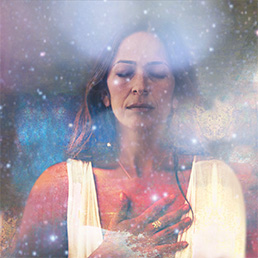
Tradition says that Brahmā created the universe through the agency of his Śakti, Sarasvatī, considered to be the goddess of language, knowledge, and wisdom.
This week, you’ll learn how to chant the Sarasvatī gāyatrī — and gain a deeper understanding of the symbolism contained in and revealed by Sarasvatī...
... cultivating a living relationship with her power and activating her potential to inspire your creativity within your own life.
This week, you’ll:
- Learn to chant the Sarasvatī gāyatrī
- Consider the deeper symbolic meaning of Sarasvatī, who illumines our desires and inspires our creativity, and her living presence in your life
- Experience the power of an integrated practice that weaves mantra chanting with āsana and prāṇāyāma to support meditation
- Practice the ancient art of central channel breathing — bringing the meaning of Sarasvatī gāyatrī through the breath and into the deepest core of your being
- Explore manasa pūjā, meditate in the “cave of the heart,” and cultivate a living relationship with Sarasvatī and her transformational power to inspire your creativity and empower you to fulfill the deepest longings of your heart
Module 11 Viṣṇu

In one of the earliest texts, the Ṛg Veda, Viṣṇu is identified as the personification of light. In the Yajur Veda, Viṣṇu as Nārāyaṇa is identified as the Supreme Being who is the foundation for and ultimate destination of all souls.
In the Trimūrti, as Preserver and Sustainer, Viṣṇu represents sattva guṇa, the quality of purity and wisdom.
This week, you’ll learn how to chant the Viṣṇu gāyatrī — and gain a deeper understanding of the symbolic meaning contained in and revealed by Viṣṇu...
... cultivating a living relationship with his power and activating his power to activate unconditional love within our own life.
This week, you’ll:
- Learn to chant the Viṣṇu gāyatrī
- Consider the deeper symbolic meaning of Viṣṇu, the all-pervasive yet indwelling presence of the Divine, and his living presence in your life
- Experience the power of an integrated practice that weaves mantra chanting with āsana and prāṇāyāma to support meditation
- Practice the ancient art of central channel breathing — bringing the meaning of Viṣṇu gāyatrī through the breath and into the deepest core of your being
- Explore manasa pūjā, meditate in the “cave of the heart,” and cultivate a living relationship with Viṣṇu and his transformational power to awaken unconditional love (bhakti) — and the bliss of communion with the Divine
Module 12 Lakṣmī

Known as the Śakti of Viṣṇu, Lakṣmī is identified with auspiciousness, health, wealth, and good fortune... as well as compassion and mercy.
This week, you’ll learn how to chant the Lakṣmī gāyatrī — and gain a deeper understanding of the symbolic meaning contained in and revealed by Lakṣmī...
... cultivating a living relationship with her power and activating her alignment with dharma within your own life.
This week, you’ll:
- Learn to chant the Lakṣmī gāyatrī
- Consider the deeper symbolic meaning of Lakṣmī, the source of all that is auspicious, including health, wealth, and good fortune
- Experience the power of an integrated practice that weaves mantra chanting with āsana and prāṇāyāma to support meditation
- Practice the ancient art of central channel breathing — bringing the meaning of Lakṣmī gāyatrī through the breath and into the deepest core of your being
- Explore manasa pūjā, meditate in the “cave of the heart,” and cultivate a living relationship with Lakṣmī — who draws us towards living in alignment with dharma, from which auspiciousness will manifest in our lives
Module 13 Rudra
Rudra/Śiva is considered the liberator of souls from the sea of cyclic existence or Saṁsāra... and traditionally worshipped in order to attain freedom, or mokṣa.
In the Trimūrti, as Destroyer, Śiva represents the tamo guṇa, the quality of inertia or laziness. In post-Vedic literature, Śiva is understood as possessing both destructive and constructive powers — seen not only as a destroyer but also as a rejuvenator of all of existence.
Rudra/Śiva is also understood to be the Lord of Yoga, the Lord of Tapas, and the teacher of yoga to the great sages.
This week, you’ll learn how to chant the Rudra gāyatrī — and gain a deeper understanding of the symbolic meaning contained in and revealed by Rudra/Śiva...
... cultivating a living relationship with his power and activating his transformational potential to help you free yourself from identification with and attachment to the world of name and form.
This week, you’ll:
- Learn to chant the Rudra gāyatrī
- Consider the deeper symbolic meaning of Rudra/Śiva, the Lord of Yoga, who liberates us from cyclic existence — and who is your true self
- Experience the power of an integrated practice that weaves mantra chanting with āsana and prāṇāyāma to support meditation
- Practice the ancient art of central channel breathing — bringing the meaning of Rudra gāyatrī through the breath and into the deepest core of your being
- Explore manasa pūjā, meditate in the “cave of the heart,” and cultivate a living relationship with Rudra, your true spiritual heart, eternally free from identification with and attachment to the world of name and form
Module 14 Durgā

In Vedic times, Durgā was revered as the Devī — the feminine nature of god. In post-Vedic literature, Durgā was worshiped as a warrior goddess who conquered evil and protected the innocent.
In the tradition known as śaivaism, Durgā is seen as another form of Pārvatī/Gaurī/Kālī.
Adherents of the tradition known as śaktism consider Durgā to be the combination of the Tri-Devī-s — Sarasvatī, Lakṣmī, and Pārvati/Gaurī/Kālī — in one form, the One Divine Mother of all, Mahā Devī.
This week, you’ll learn how to chant the Durgā gāyatrī — and gain a deeper understanding of the symbolic meaning contained in and revealed by Durgā...
... cultivating a living relationship with her power and activating her transformational power to face all challenges as they come in your life.
During the final week of class, you’ll:
- Learn to chant the Durgā gāyatrī
- Consider the deeper symbolic meaning of Durgā — the warrior goddess who conquers evil and protects the innocent
- Experience the power of an integrated practice that weaves mantra chanting with āsana and prāṇāyāma to support meditation
- Practice the ancient art of central channel breathing — bringing the meaning of Durgā gāyatrī through the breath and into the deepest core of your being
- Explore manasa pūjā, meditate in the “cave of the heart,” and cultivate a living relationship with Durgā, who gives us courage to face and overcome all challenges and to conquer all sources of stress

Gary Kraftsow’s Introductory Course, Multidimensional Yoga
This intensive builds upon the core teachings from the 7-module program, Multidimensional Yoga. When you purchase the 14-module intensive, you gain access to that powerful resource as well! You can complete the core teachings at your leisure, but it’s best to begin before the new sessions start.
In this 7-part transformational intensive, Gary guides you through the fundamental skills you’ll need to take your yoga practice to the next level by working to balance functional anatomy, energetic essence, emotions, and the stories you tell yourself — to set a meaningful direction for your future.
This course features step-by-step teachings and experiential practices from Gary. Each session builds harmoniously upon the previous ones, so you’ll develop a complete holistic understanding of the practices, tools, and principles you’ll need to take your yoga practice to the next level by balancing your functional anatomy, your energetic essence, and your troubling emotions — in order to set a meaningful direction for your future. Your purchase includes 24/7 ongoing access to your course content, allowing you time to review the materials at your own pace and integration.
- Module 1: The Multidimensionality of the Human System
- Module 2: Establishing Goals for Practice
- Module 3: Cultivating a Clear Mind
- Module 4: Balancing Emotions & Nourishing the Heart
- Module 5: Managing Your Energy
- Module 6: Maintaining Your Structure
- Module 7: Connecting to Source — The Integrated Practice
PLUS, you’ll get the Multidimensional Yoga Bonus Offering
- Devatā Yoga: Āsana, Prāṇāyāma & Chanting
- A Meditation on Source Using Patañjali’s Yoga Sūtra
- The River of Life: The Inner Practices of Tantric Yoga — Oṁ Satyam Caitanyam Ānandam Ātma
The original price of Multidimensional Yoga on its own was $297, but it’s INCLUDED in your registration for the advanced course!
SPECIAL BONUS OFFER
In addition to Gary’s transformative 14-module course, you’ll receive this special bonus offering to complement the course and take your understanding and practice to an even deeper level.

Reflections on Outer, Inner & Secret Orientations of Practice
PDF on the Secret Orientations of Yoga
What is the real orientation of your practice? In this PDF, you’ll read the succinct reflections of Master Yoga Teacher, Gary Kraftsow, who sums up the outer, inner, and secret orientations of yoga practice.

Awaken to the Spiritual Dimension of Life — Svādhyāya
PDF on Uncovering the Divine Through the Self
According to the ancients, svādhyāya develops tapas, tapas develops svādhyāya, and together they help us awaken to the spiritual dimension of life. This PDF offers a deep dive into the process of self-investigation and self-discovery. As you go deeper and deeper into Self, eventually, you’ll also discover (or uncover) the Divine.
What People Are Saying About Gary Kraftsow…
Vancouver, Canada
Hallandale Beach, Florida
Viniyoga teacher
Viniyoga teacher
Here’s What You’ll Receive

Fourteen Pre-Recorded 90-Minute Modules
Experience a unique opportunity to learn from the founder and director of the American Viniyoga Institute Gary Kraftsow — from the comfort of your own home. Each session includes a streaming video and guides you to follow the cakra map to purify dysfunctional patterns and embody the transformational potential of the Vedic gods and goddesses using ancient Tantric Laya Yoga practices.

Fourteen Transcripts of Sessions
In addition to the high-quality videos and MP3 audios, you’ll also receive session transcriptions. You can then review, print, and highlight the most important insights and practices you were given.

Exercises and Questions for Each Lesson
Between sessions, you’ll have the option of completing related exercises, practicing new tools, and answering questions to accelerate your learning and integrate each lesson.
Gary Kraftsow’s Introductory Course, Multidimensional Yoga 7-Module Course and Bonuses is included!
When you sign up for this 14-module journey, you’ll get instant access to Gary’s first 7-module online course.
An Unprecedented Opportunity to Join the Online Course, Dissolve the Knot of the Heart & Connect to the Divine With Tantric Laya Yoga
We feel honored that Gary Kraftsow has chosen to partner with The Shift Network to offer this exclusive online training. This is a unique opportunity to learn from the founder and director of the American Viniyoga Institute, whose powerful insights and pioneering work are helping us heal and awaken ourselves and our world.
If you’re serious about liberating yourself from suffering by dissolving the knot of the heart and activating your innate power to heal and direct your life using ancient Tantric Laya Yoga practices, then you owe it to yourself, your loved ones, and our world to take this one-of-a-kind training.
Your Satisfaction Is 100% Guaranteed!

If you don’t absolutely LOVE Dissolve the Knot of the Heart & Connect to the Divine With Tantric Laya Yoga — or don’t feel that it meets your needs — please submit your refund request form 14 days from your date of purchase and we’ll happily issue qualifying customers a refund.
More Praise for Gary Kraftsow
Viniyoga teacher-in-training
Viniyoga teacher
Viniyoga student
Aurillac, France
Haiku, Hawaii
About Gary Kraftsow
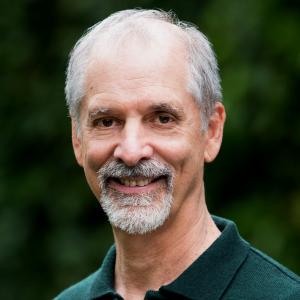
Gary Kraftsow has been an innovator in the transmission of yoga for health, healing, and personal transformation for over 40 years. He began his study of yoga in India with T.K.V. Deśikāchar in 1974 and received a Viniyoga Special Diploma from Viniyoga International in Paris, France in 1988.
Gary received his master’s degree in psychology and religion from the University of California at Santa Barbara in 1983 and opened the Maui School of Yoga Therapy around that time.
In 1999, he founded the American Viniyoga Institute, LLC. Since then, he has become a renowned speaker and teacher of the Viniyoga methodology at many conferences and schools nationally and internationally. Gary developed protocols for two National Institutes of Health studies, one on yoga for chronic low back pain and one on yoga for anxiety. He also helped develop a clinical trial on mind-body stress reduction in the workplace.
He is the director and senior teacher at the American Viniyoga Institute (AVI®), author of the books Yoga for Wellness and Yoga for Transformation, and the educational DVDs Viniyoga Therapy for Low Back, Sacrum and Hips… Viniyoga Therapy for Upper Back, Neck and Shoulders… Viniyoga Therapy for Depression… and Viniyoga Therapy for Anxiety.
He has also produced multiple online workshops and is in the process of creating the AVI Digital Library, which offers both live and on-demand classes.