Have you tried to meditate but found yourself wrestling with anxiety, restless thoughts, or old trauma surfacing the moment you close your eyes?
Many people begin a mindfulness practice with genuine hope, only to give up when it starts feeling too difficult, too abstract, or too disconnected from what their nervous system is actually experiencing.
Instead of relief, calm, and a deeper sense of presence, the result is frustration, more nervous system dysregulation, and the sense that real healing or awakening may be out of reach.
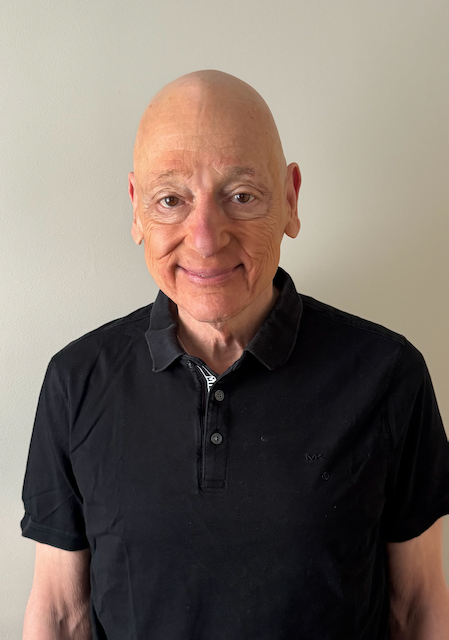
The problem isn’t you, it’s the method, says Dr. Fleet Maull, the founder and CEO of HeartMind Institute.
In this free, eye-opening online event, he’ll share why so many traditional approaches ask you to override your mind or suppress thoughts without first stabilizing your attention in the body.
A Zen Roshi and senior teacher in the Tibetan Buddhist tradition, Dr. Maull has devoted more than five decades to contemplative practice, including 14 years in prison where meditation became his lifeline.
Drawing from intensive training and study in Buddhist practice, neuroscience, and Western psychotherapy, he developed Neuro-Somatic Mindfulness™ (NSM), a deeply embodied, heart-centered, and trauma-informed approach to mindfulness-awareness meditation.
If you’re dealing with extreme stress, trauma, or chronic dysregulation, you may have experienced that trying to meditate through sheer willpower can quickly turn into a struggle with the “monkey mind,” a Buddhist term for an unsettled, restless, or distracted mind that jumps between thoughts like a monkey leaps through trees.
During the hour, you’ll learn about Dr. Maull’s neuroscience-informed approach that stabilizes attention more quickly by working directly with the brain’s attention networks and nervous system through embodied interoceptive awareness — awareness of the sensations and signals arising within your body.
You may perceive a difference the very next time you meditate.
You’ll experience this shift firsthand in a guided Neuro-Somatic Mindfulness practice that will reveal how focused somatic presence can bring steadiness and greater ease.
Shifting from the brain’s Default Mode Network, which fuels mental chatter and self-referential thinking, into the Task Positive Network allows your mind and nervous system to stabilize and quiet naturally and without force.
You’ll leave this event with a new understanding of why meditation has felt difficult, a clear map of how Dr. Maull’s embodied method supports nervous system regulation and self-agency, and a felt sense of what it’s like to come home to your body in a safe, trauma-informed way.